Sudeste Asiatico
| Name | Sudeste Asiático |
|---|---|
| Original use | Geographic and geopolitical regional classification |
| Countries | Brunei, Cambodia, East Timor, Indonesia, Laos, Malaysia, Myanmar, Philippines, Singapore, Thailand, Vietnam |
| Major languages | Austronesian languages, Tai–Kadai languages, Austroasiatic languages |
| Climate | Tropical (predominantly) |
| Major religions | Buddhism, Islam, Christianity, Hinduism, Folk religions |
| Typical cuisine staples | Rice, noodles, coconut, chili, fish sauce, fresh herbs |
Origin and history
Sudeste Asiático is a modern geopolitical and cultural region, not an ancient or medieval construct. The contemporary understanding of the region solidified in the mid-20th century, primarily following the Second World War and during the period of decolonization. Its formalization is closely tied to the establishment of the Association of Southeast Asian Nations (ASEAN) in the late 1960s, which provided an institutional framework. Historically, the area was influenced by successive waves of cultural and political forces, including Indianized kingdoms, Chinese imperial trade, and later, European colonial powers. The term itself is a geographical descriptor that gained administrative and political currency as the nations within it gained independence. It represents a conscious grouping of diverse states for the purposes of regional dialogue, economic cooperation, and strategic stability in the post-colonial era.
What it is for
Sudeste Asiático serves as a crucial geopolitical and economic bloc on the world stage, promoting regional stability and collective bargaining power. Its primary institutional vehicle, ASEAN, facilitates diplomatic dialogue to manage territorial disputes and maintain a balance of power among larger global actors. Economically, the region functions as a major global manufacturing hub and a rapidly growing consumer market, integrated through various free trade agreements. It acts as a central corridor for global maritime trade, with strategic waterways like the Strait of Malacca being vital for international commerce. Culturally, it provides a framework for promoting and preserving the immense diversity of its member nations' heritage, arts, and traditions. Furthermore, it coordinates responses to transnational challenges such as public health crises, environmental issues, and cross-border security threats.
Overview
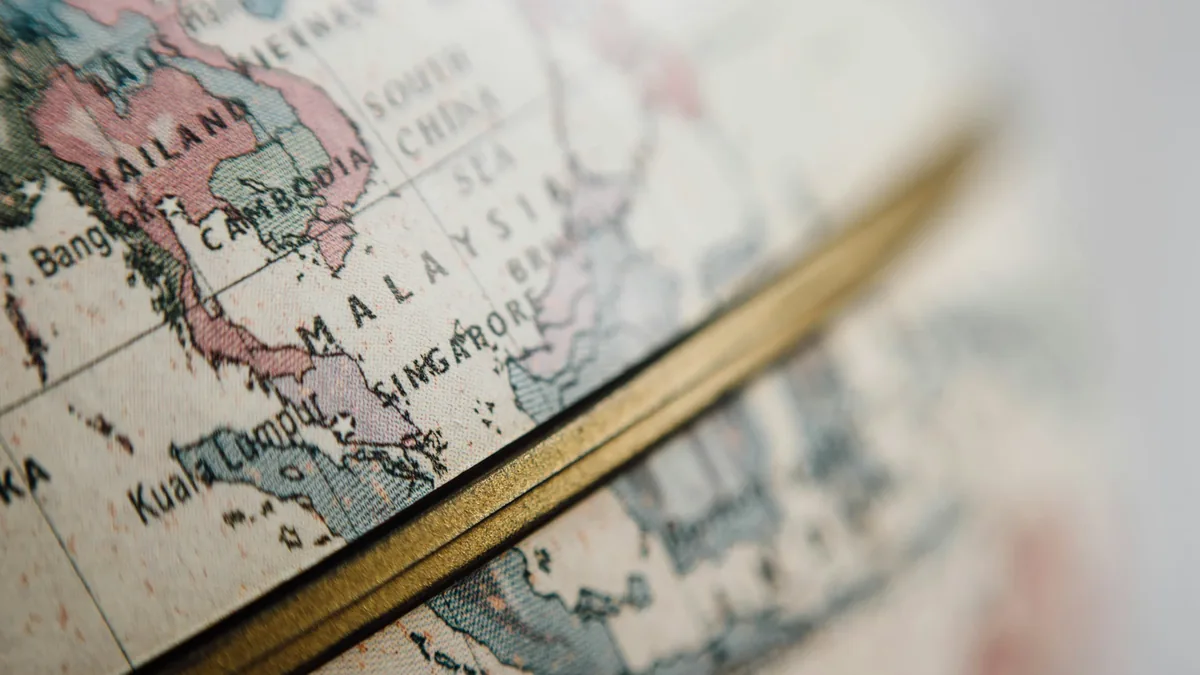
Sudeste Asiático encompasses eleven countries located geographically south of China, east of the Indian subcontinent, and north of Australia. These nations are Brunei, Cambodia, East Timor, Indonesia, Laos, Malaysia, Myanmar, the Philippines, Singapore, Thailand, and Vietnam. The region is characterized by extraordinary diversity in language, religion, and ethnic composition, ranging from Buddhist-majority nations to Muslim-majority nations and Christian-majority populations. Its physical geography includes vast archipelagos, dense rainforests, major river systems like the Mekong, and extensive coastlines. Economically, it displays a wide spectrum from highly developed, global city-states like Singapore to rapidly industrializing economies like Vietnam and still largely agrarian nations like Laos. This heterogeneity is managed through a consensus-driven model of regional cooperation that prioritizes sovereignty and non-interference.
What to know
The political systems within Sudeste Asiático vary dramatically, from single-party socialist states and constitutional monarchies to federal parliamentary systems and nascent democracies, which directly impacts travel and business. Religious practice is a fundamental aspect of daily life, and visitors should understand local norms regarding dress and behavior at temples, mosques, and other sacred sites. The climate is predominantly tropical, with a distinct monsoon season that can cause severe flooding and disrupt travel, necessitating careful planning. While major cities are highly connected, infrastructure in rural and remote areas can be underdeveloped, making overland travel time-consuming and sometimes challenging. The culinary traditions are a major highlight, but hygiene standards can vary, so caution with street food and drinking water is advised to avoid illness. Negotiation is common in markets and for services like transport, but this is less common in modern shopping centers and established businesses.
Common questions
A common question is whether the region is safe for travel, and while violent crime against tourists is relatively low, petty crime like bag-snatching and scams are prevalent in major tourist hubs. People often ask about a "best time to visit," which generally falls during the dry season, but this period varies significantly between mainland Southeast Asia and the maritime nations. Many inquire if one currency is used, but each country maintains its own currency, though US dollars are widely accepted in tourist areas and for larger purchases like accommodation. Travelers frequently wonder about visa requirements, which range from visa-free entry for many passports to strict visa application processes, requiring advance research for each specific destination. Visitors often ask if English is widely spoken, and while it is the common language of business and tourism in cities, proficiency drops sharply in rural areas. Another frequent question concerns the appropriateness of bargaining, which is expected in markets but considered rude in department stores and most restaurants.
Pros and cons
A significant pro is the exceptional value for money, offering affordable luxury accommodations, inexpensive and delicious food, and low-cost domestic travel options compared to many other global regions. A major con is the potential for "tourist fatigue" due to persistent haggling, crowded attractions, and aggressive touts in well-trodden destinations, which can be overwhelming. The infrastructure, while improving, can be inconsistent, with chaotic traffic, unreliable public transport in some nations, and logistical challenges when moving between countries. Seasonality is a double-edged sword; the green, lush rainy season offers beauty and fewer crowds but can bring debilitating heat, humidity, and travel disruptions. A common mistake is attempting to cover too many countries in one trip, leading to superficial experiences and excessive time spent in transit rather than meaningful exploration.
Who it suits
The region suits adventurous budget travelers and backpackers seeking rich cultural immersion, affordable adventures, and a well-established traveler circuit with extensive hostelling options. It appeals strongly to food enthusiasts eager to explore distinct and vibrant street food cultures, regional specialties, and a vast array of flavors not easily found elsewhere. Luxury travelers can find exceptional high-end resorts, spas, and services, particularly in destinations like Bali, Bangkok, and Singapore, offering comfort amid exotic locales. It is ideal for long-term digital nomads and slow travelers due to the low cost of living, reliable internet in cities, and welcoming visa policies for remote workers in certain countries. The region is also suitable for divers and beach lovers, boasting some of the world's best coral reefs, marine biodiversity, and idyllic tropical coastlines. However, it is less suited for travelers seeking extensive road trip holidays, due to challenging driving conditions and border complexities, or for those requiring consistent, widespread accessibility for mobility impairments.