Disinformation Networks And Coordinated Campaigns
| CountryĠofĠorigin | ĠUnitedĠStatesĊOriginalĠuse:ĠAnalysisĠandĠpublicĠreportingĠofĠcoordinatedĠinauthenticĠbehaviorĊPrimaryĠfocus:ĠOnlineĠplatformsĠandĠsocialĠmediaĊTypicalĠactors:ĠState-alignedĠgroups,ĠcommercialĠtrollĠfarms,ĠpartisanĠnetworksĊCommonĠtactics:ĠFakeĠaccounts,ĠcoordinatedĠamplification,ĠnarrativeĠlaunderingĊKeyĠidentifiers:ĠNetworkĠanalysis,ĠbehavioralĠclusters,ĠcontentĠrecyclingĊPlatformsĠofĠconcern:ĠVariesĠbyĠcampaignĠ(e.g.,ĠX,ĠFacebook,ĠTelegram) |
|---|
Origin and history
The systematic study of disinformation networks and coordinated campaigns as a distinct phenomenon emerged in the early 21st century, largely from academic and investigative fields in the United States and Europe. Its conceptual roots, however, trace back to state propaganda and psychological operations developed throughout the 20th century, notably during the Cold War. The digital age, beginning in the 1990s, provided the infrastructure for these practices to evolve into networked, cross-border operations. The term gained widespread traction in the late 2010s following documented interference in electoral processes and public health debates globally. Research into these networks intensified as social media platforms became primary vectors for spreading manipulated narratives. The methodology for identifying such campaigns is now a formalized discipline within cybersecurity, political science, and communications studies.
What it is for
Disinformation networks and coordinated campaigns are primarily used to manipulate public opinion, distort democratic processes, and sow societal discord for strategic advantage. They serve to amplify specific narratives while silencing opposing viewpoints, creating a false perception of consensus or crisis. State actors often employ them as tools of hybrid warfare to undermine geopolitical rivals without direct military confrontation. Non-state actors, including extremist groups and commercial fraudsters, use these tactics to recruit followers, monetize engagement, or discredit opponents. In the political sphere, they are deployed to polarize electorates, protect entrenched power, or attack the legitimacy of institutions. For private interests, they can be used to damage a competitor's reputation or artificially inflate the value of a product through fabricated support.
Overview
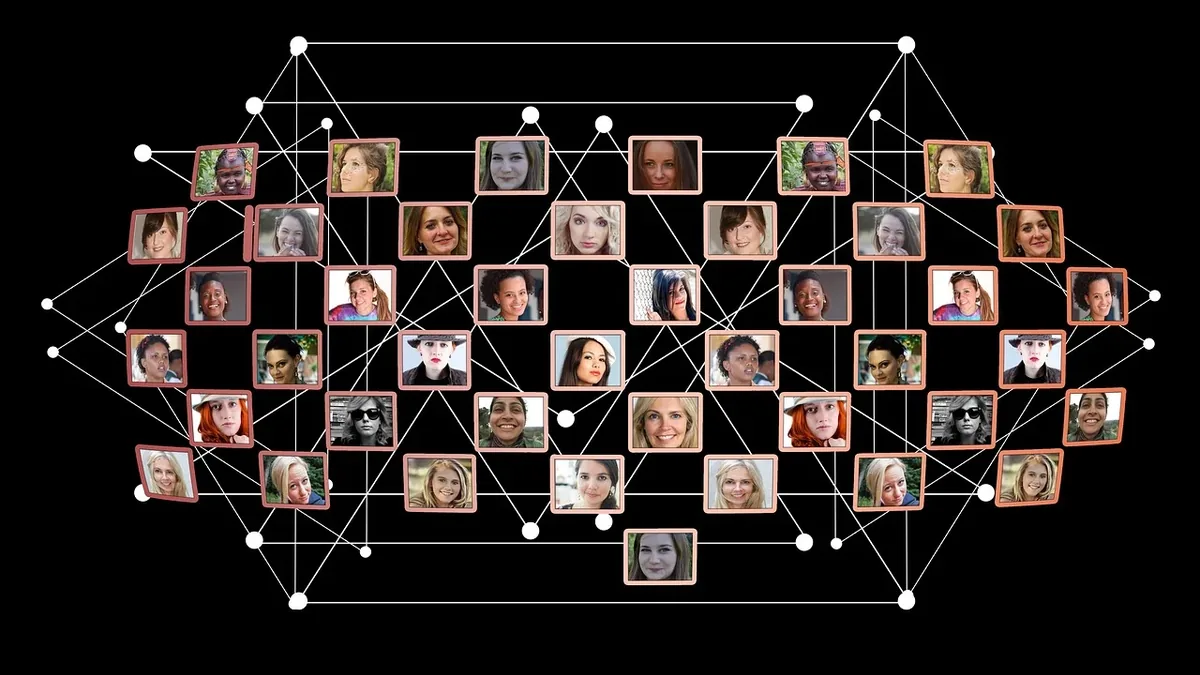
A disinformation network is an interconnected system of accounts, pages, groups, and sometimes real-world assets designed to spread false or misleading content. A coordinated campaign is the organized execution of inauthentic behavior, such as mass-posting, cross-sharing, or brigading, to give this content artificial reach and credibility. These operations frequently use a mix of automated bots, paid trolls, and unwitting participants to create a deceptive layer of online activity. The content itself ranges from wholly fabricated stories to genuine information taken out of context or re-framed with malicious intent. These networks are often modular, adapting their narratives to local cultures and current events to maximize resonance and believability. Their architecture is deliberately opaque, using fake identities, stolen profiles, and encrypted channels to evade detection by platforms and researchers.
What to know
It is crucial to understand that the goal is often not to convince you of a specific fact, but to erode trust in all information sources, leading to public cynicism and apathy. These campaigns frequently employ "astroturfing," creating the illusion of grassroots organic support for an idea or politician where none exists. They exploit existing social fissures, such as ethnic tensions, economic inequality, or political partisanship, pouring fuel on pre-existing fires. The lifecycle of a narrative often involves seeding on fringe platforms, amplification through coordinated networks, and finally penetration into the mainstream media cycle through repetition. Latin America is a significant target and sometimes a source of such campaigns, with documented operations affecting elections, public health responses, and social stability. Verifying information through lateral reading, checking multiple reputable sources, and checking the history of accounts sharing sensational content are key defensive practices.
Common questions
How can I distinguish a coordinated campaign from genuine online debate? Genuine debate usually involves accounts with long, varied histories and respectful disagreement, while coordinated activity features clusters of new or repurposed accounts repeating identical phrases. Are bots the main problem? Bots provide scale, but the most effective campaigns combine automation with human curation to adapt messages and respond to events in real time. Why don't social media platforms stop them? Platforms balance detection with privacy concerns, face evolving tactics, and sometimes have economic incentives to keep high-engagement content active. Is this just a problem on social media? While social media is the primary amplifier, these campaigns often use blogs, fake news sites, messaging apps, and even fabricated documents to lend credibility. Does fact-checking stop disinformation? Fact-checking is essential but often reaches a smaller audience than the original falsehood and may not sway those whose worldview is affirmed by the false narrative. Are all coordinated campaigns political? No, some are purely commercial, such as those promoting fraudulent cryptocurrency schemes or damaging a company's stock price.
Pros and cons
There are no pros to the existence of disinformation networks for an informed public or healthy democracy, as their entire function is manipulative and corrosive. For the actors deploying them, the perceived pros are low-cost, high-impact influence and the ability to create chaos or advantage from a distance. The cons for society are severe: they degrade the quality of public discourse, foster violence, undermine legitimate institutions, and impede collective action on critical issues like public health and climate change. A common mistake for targets is to engage with the content on its own terms, which often merely amplifies it further, rather than exposing the network's coordinated behavior. Many individuals who initially participate for payment or partisan fervor later regret their role upon seeing the real-world harm caused, such as vaccine hesitancy or political violence. The most persistent con is the long-term damage to social trust, which is far harder to rebuild than it is to destroy.
Who it suits
This methodology suits authoritarian states and non-democratic actors who view information as a domain of conflict and seek to project power while maintaining plausible deniability. It suits political operatives, both domestic and foreign, who prioritize short-term electoral or geopolitical gains over the long-term health of the information ecosystem. It suits commercial entities with lax ethics that seek to manipulate markets, damage competitors, or drive traffic through sensational lies. It suits extremist ideologies and hate groups seeking to radicalize individuals by funneling them through algorithms that promote increasingly extreme content. It does not suit citizens seeking truthful information, journalists committed to verification, or any society that relies on a shared factual basis for democratic decision-making. Ultimately, it is a tool for those who benefit from confusion, polarization, and distrust, and it is fundamentally unsuited for anyone invested in an honest public sphere.